BLOG 2 — BELONGING | Why Do I Feel Lonely Even When I Have Friends? The Crisis of Male Friendship & Belonging
By WiL Turner
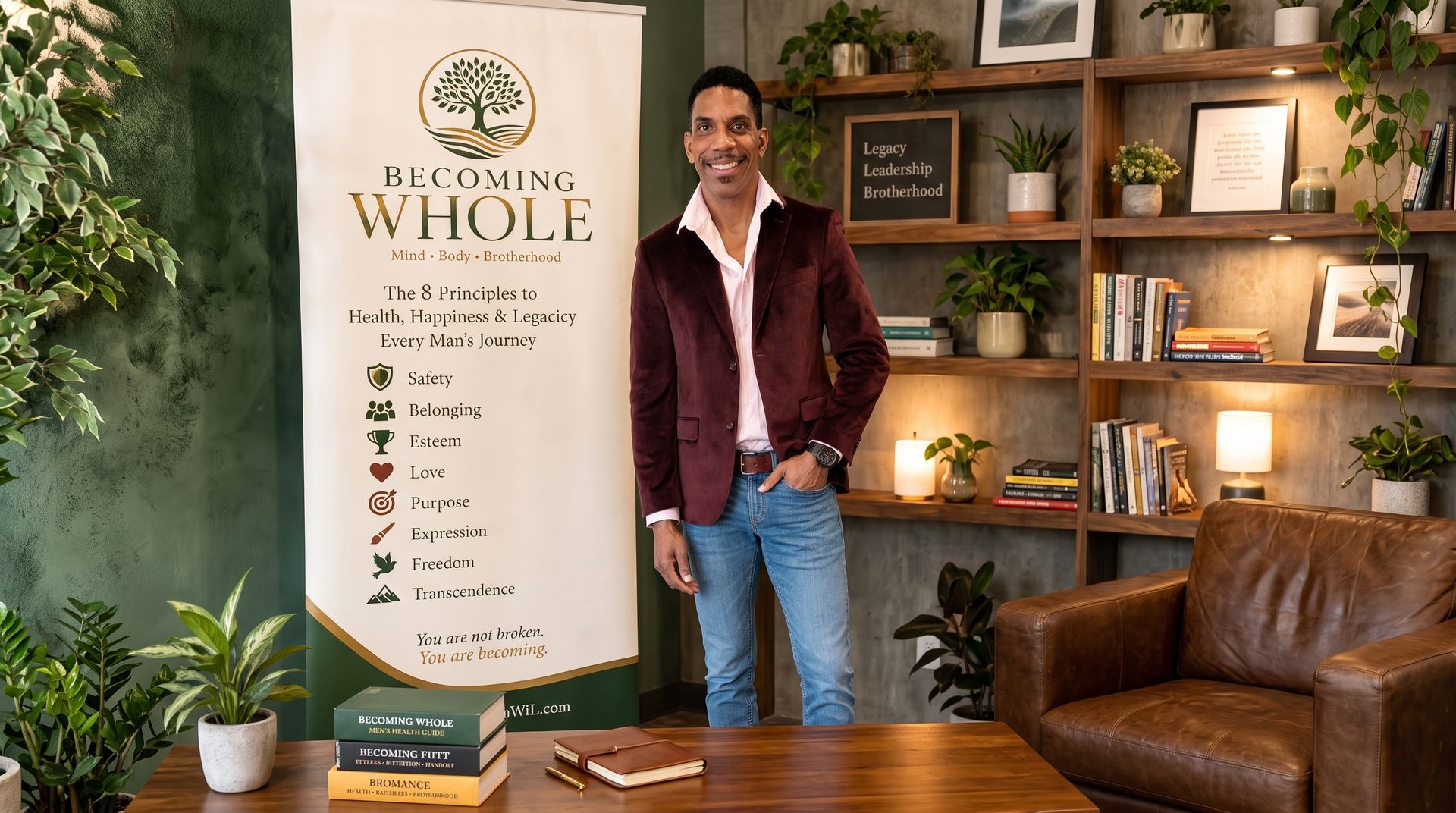
Men’s Health Advocate, Fitness, Relationship & Personal Growth Coach Founder of Living Well With WiL & The Becoming Whole Men’s Health Movement
“Being surrounded by people is not the same as being known by them.” — WiL Turner
Introduction
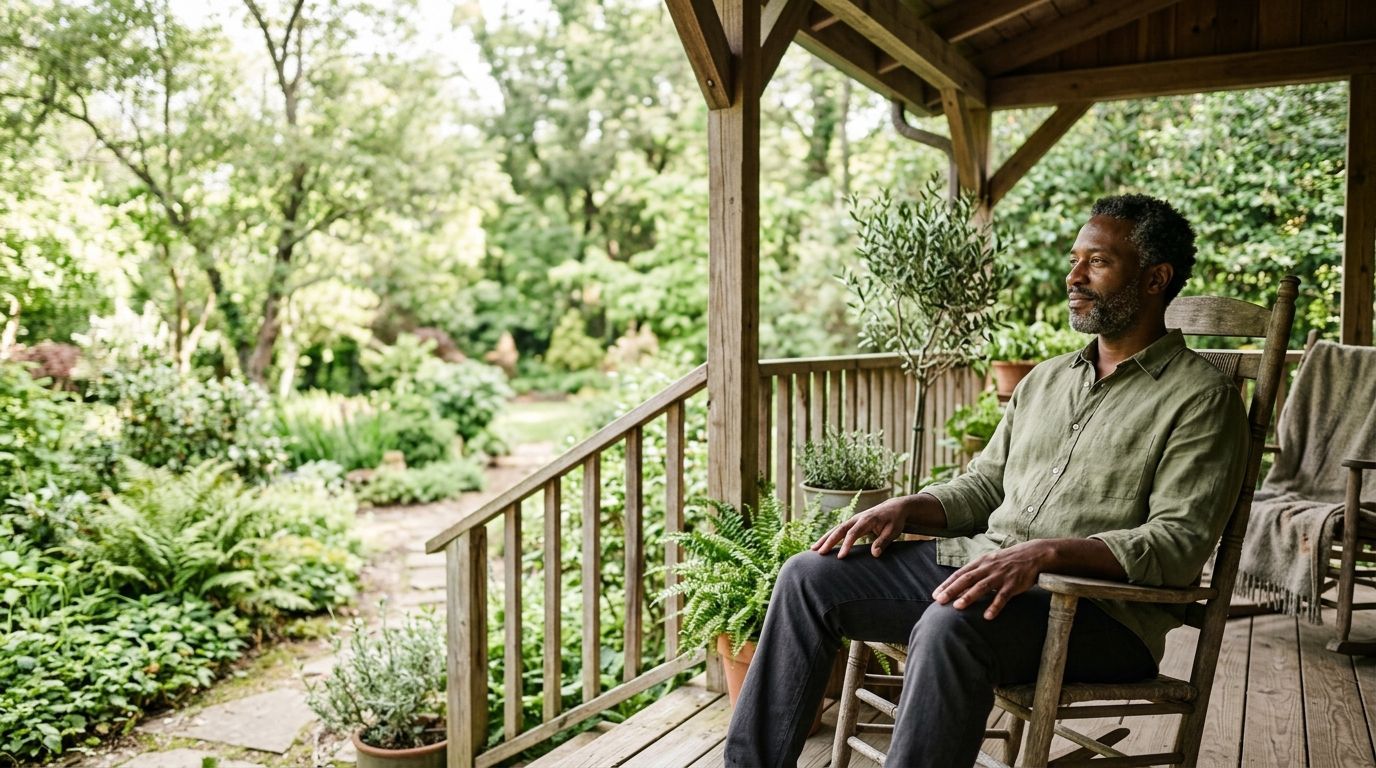
A man can have hundreds of social-media connections, coworkers, gym buddies, relatives, acquaintances, and longtime friends while still experiencing profound loneliness. That is because loneliness is not simply the absence of people. Sometimes it is the absence of meaningful connection, emotional reciprocity, trust, and the experience of being genuinely known.
You can be invited and still feel unseen. You can be included and still feel unknown. You can be surrounded by people while quietly wondering who would actually show up if your life fell apart. This distinction sits at the heart of Belonging, the second principle of Becoming Whole. Men need more than proximity. We need relationships and communities where we experience acceptance, reciprocity, trust, connection, and brotherhood.
NEUROSCIENCE: WHY CONNECTION MATTERS
Human beings are fundamentally social. The brain continually interprets cues related to acceptance, rejection, trust, safety, and belonging. Positive relationships can help buffer stress and support emotional regulation, while persistent isolation or rejection may contribute to greater psychological distress.
Our attachment patterns can also influence the way we approach adult relationships. Men who experienced rejection, inconsistent support, emotional neglect, abandonment, or betrayal may become intensely anxious about losing relationships or may avoid depending on others altogether. The brain learns from previous social experiences and can begin anticipating rejection before it happens.
Social rejection can feel physically painful because some brain systems involved in processing social pain overlap with those involved in physical pain. This helps explain why exclusion, ghosting, betrayal, or friendship loss can produce intense emotional reactions even when society tells men they should simply move on.
WHY THIS MATTERS
Loneliness is not merely wishing you had somebody to hang out with. Persistent disconnection can influence emotional well-being, motivation, stress, health behaviors, and the way a man perceives himself. A man who repeatedly experiences rejection may eventually begin believing that meaningful connection is simply unavailable to him.
This can create a cycle. The more hurt a man feels, the more he may withdraw to protect himself. The more he withdraws, the fewer opportunities he has to experience healthier relationships that could challenge his assumptions about belonging.
A man may be capable of surviving alone, but surviving alone and living well are not the same thing.
DEMOGRAPHIC & SOCIAL-PSYCHOLOGICAL IMPACT
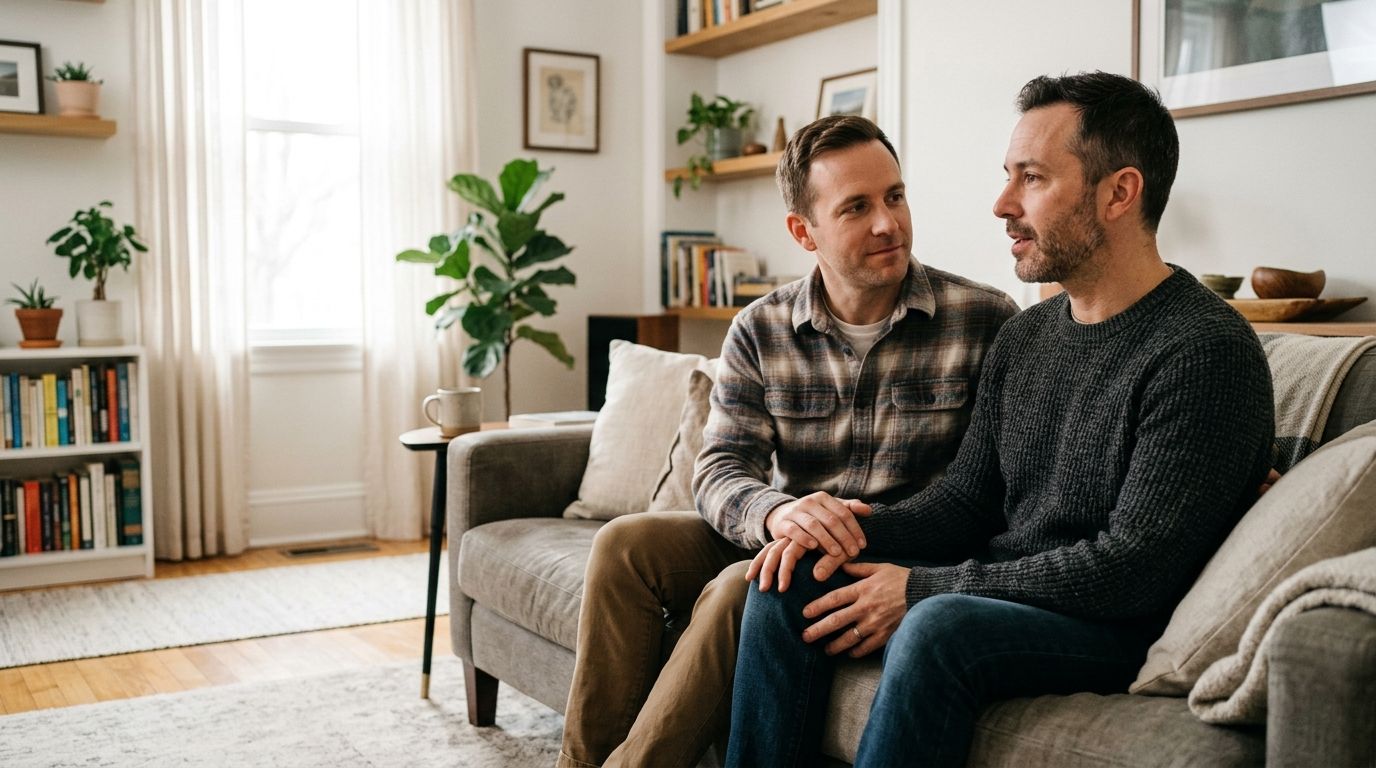
Male loneliness can look different across communities. Black men may have difficulty finding spaces where vulnerability feels culturally safe and where emotional expression is not interpreted through stereotypes about toughness or masculinity. Gay men may experience loneliness even within visible LGBTQ+ communities when social connection becomes complicated by appearance, body image, cliques, rejection, racism, ageism, dating culture, or social status.
Straight men may rely heavily on romantic partners for emotional support because emotionally intimate friendships with other men were never modeled. Young men may have extensive digital networks without having many relationships characterized by depth and trust. Men over 40 may see social circles shrink because of careers, marriages, parenthood, relocation, divorce, lifestyle changes, or changing priorities.
Single men, fathers, veterans, professionals, and men relocating to new communities may encounter additional barriers to building social connection. Loneliness should therefore not be treated simply as a failure to “make friends.” It is also influenced by social structure, culture, identity, masculinity norms, and life transitions.
IMPACT ON ROMANTIC RELATIONSHIPS
When a romantic partner becomes a man’s only source of emotional intimacy, that relationship may carry more weight than one person can reasonably manage. A partner can become expected to function as lover, best friend, confidant, social network, emotional anchor, and sole source of belonging.
Healthy romantic partnerships are often strengthened when both people also maintain supportive friendships and community outside the relationship.
IMPACT ON FRIENDSHIP & BROTHERHOOD
Friendships built entirely around activities may provide companionship without necessarily creating emotional intimacy. Brotherhood becomes more meaningful when men develop enough trust to ask one another, “How are you really doing?”
Healthy brotherhood requires reciprocity. Men should be able to give and receive encouragement, correction, accountability, affection, honesty, and support.
WHEN FRIENDSHIPS CHANGE OR END
One of adulthood’s painful lessons is that history does not guarantee lifelong compatibility. People change. Priorities shift. Values evolve. Some friendships gradually fade, while others end through betrayal, ghosting, emotional abandonment, exclusion, conflict, or unexplained distance.
When this happens, men may internalize another person’s choice as evidence of personal inadequacy. Questions such as “Why did they choose them and not me?” can become consuming. Another person’s decision can hurt deeply without becoming an objective measurement of your worth.
BOUNDARIES & SOLUTIONS
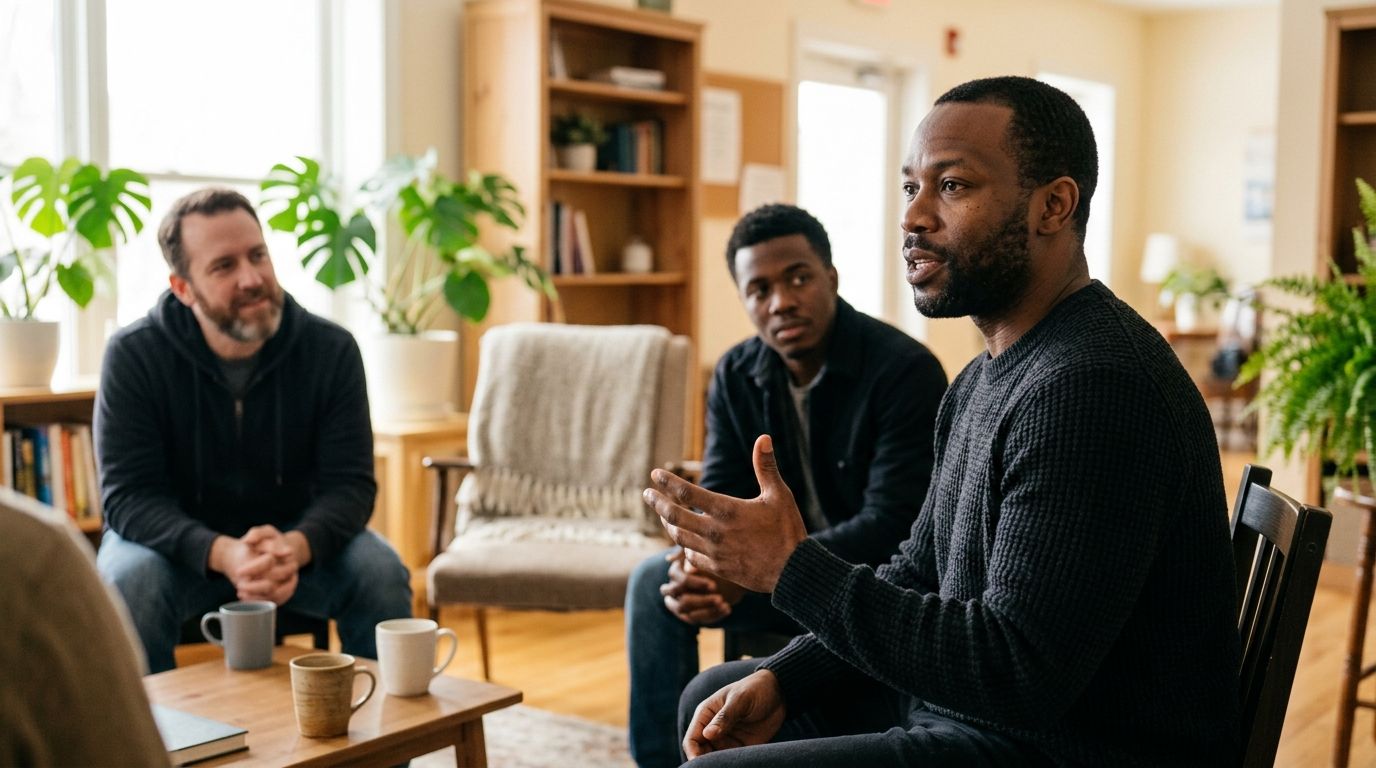
Building belonging may require intentionally initiating connection rather than waiting for it to happen. Join communities organized around shared values, fitness, spirituality, volunteering, hobbies, professional interests, or personal growth. Reach out. Invite someone to coffee. Check on another man. Be willing to become the friend you wish someone would become for you.
At the same time, stop confusing access with belonging. Not every relationship deserves continued investment. Healthy connection should involve mutual effort, respect, and consistency.
BECOMING WHOLE PRINCIPLE 2: BELONGING
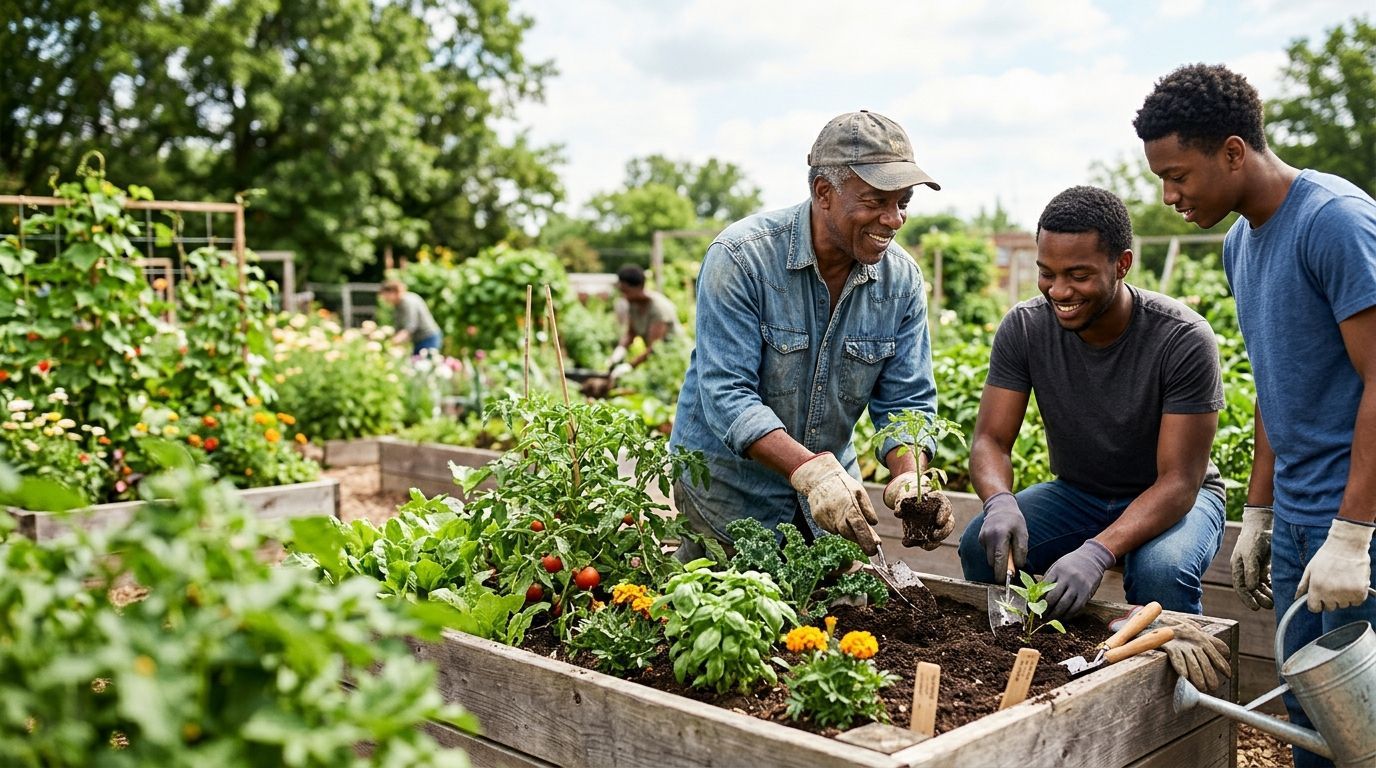
Brotherhood is not about building the largest circle. Sometimes becoming whole means building a smaller but healthier one. The goal is to create relationships where you can put down the armor, tell the truth, offer support, receive support, and know that your humanity—not merely your usefulness—is valued.
REFLECTION
- Which relationships make me feel genuinely seen, valued, supported, and respected?
- Am I pursuing genuine belonging or repeatedly chasing acceptance from people who make me question my place in their lives?
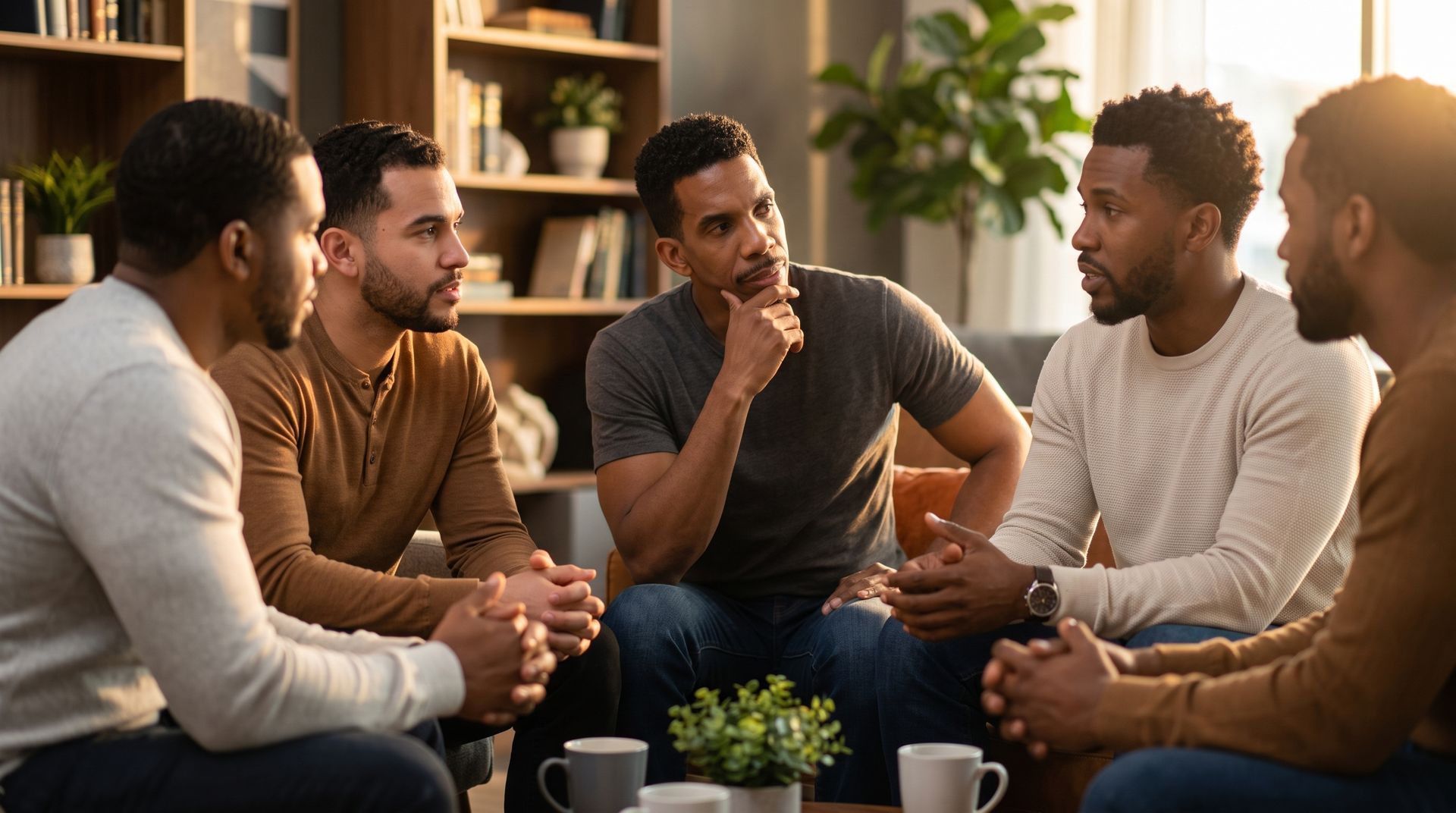
Men were never meant to navigate every dimension of life alone. Explore Becoming Whole Men’s Support Groups, Brotherhood experiences, Becoming FIITT, coaching, and personal-growth resources through Living Well With WiL.