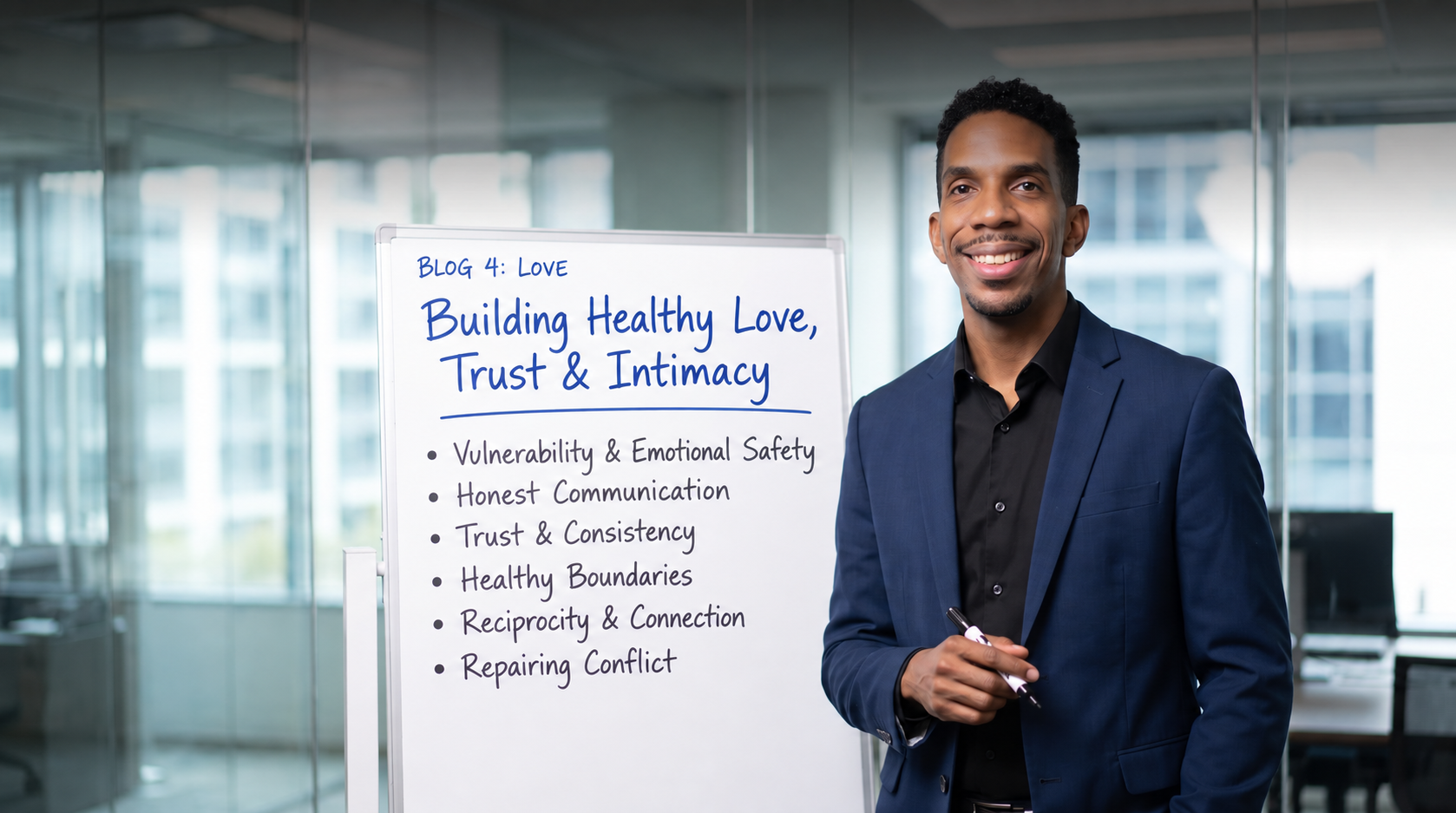
BLOG 4 — LOVE | Why Is It So Hard for Men to Be Vulnerable? Building Healthy Love, Trust & Intimacy
By WiL Turner
Men’s Health Advocate, Fitness, Relationship & Personal Growth Coach Founder of Living Well With WiL & The Becoming Whole Men’s Health Movement
“You cannot experience the depth of being loved while constantly hiding the parts of yourself you fear others won’t accept.” — WiL Turner
Introduction
Many men desire intimacy while simultaneously protecting themselves from everything genuine intimacy requires: honesty, trust, emotional exposure, communication, vulnerability, and risk. We want someone to know us deeply while fearing what may happen if they actually do.
Past rejection, betrayal, abandonment, family experiences, and cultural expectations surrounding masculinity can teach men that emotional openness has consequences. Independence becomes protection, privacy becomes armor, and distance begins to feel safer than intimacy.
NEUROSCIENCE: ATTACHMENT, TRUST & VULNERABILITY
Human attachment systems are shaped by repeated relational experiences. When important relationships are generally safe, responsive, and consistent, closeness can become associated with security. When relationships involve rejection, betrayal, neglect, abandonment, or unpredictability, intimacy may activate both desire and fear.
The brain continuously evaluates whether another person feels safe. This helps explain why a man can intellectually understand that his current partner is trustworthy while emotionally reacting as though an earlier relationship is repeating itself.
Trust therefore develops through repeated experiences of consistency, responsiveness, honesty, repair, and emotional safety. It is not simply something we decide to feel.
WHY THIS MATTERS
A man’s ability to form healthy relationships affects far more than romance. Trust, boundaries, emotional availability, intimacy, and communication influence friendships, family relationships, fatherhood, sexuality, partnership, and overall well-being.
When vulnerability feels unsafe, men may avoid difficult conversations, suppress needs, emotionally withdraw, choose unavailable partners, or leave relationships before someone has the opportunity to hurt them. These strategies can reduce short-term discomfort while producing long-term loneliness.
Love requires more than finding the right person. It also requires developing the emotional capacity to participate in a healthy relationship.
DEMOGRAPHIC & SOCIAL-PSYCHOLOGICAL IMPACT
Black men may receive messages that emotional openness conflicts with strength. Gay men may navigate coming out, family acceptance, stigma, body image, sexual culture, chosen family, and complex overlaps between friendship, dating, intimacy, and community.
Straight men may have been socialized to depend heavily upon female partners for emotional intimacy while maintaining more activity-centered friendships with men. Younger men may struggle to distinguish intimacy from digital availability or sexual validation. Men over 40 may enter relationships carrying divorce, betrayal, grief, caregiving experiences, and long-established habits of emotional independence.
These experiences remind us that vulnerability is not only about personality. It is also influenced by the cultural rules men have absorbed regarding what they should reveal, suppress, tolerate, or control.
IMPACT ON ROMANTIC RELATIONSHIPS
Healthy relationships require communication, boundaries, respect, empathy, accountability, emotional responsibility, trust, and the ability to repair conflict.
Love without respect can become unhealthy attachment. Love without communication creates confusion. Love without boundaries can become self-abandonment. Love without reciprocity eventually becomes exhaustion.
IMPACT ON FRIENDSHIP & BROTHERHOOD
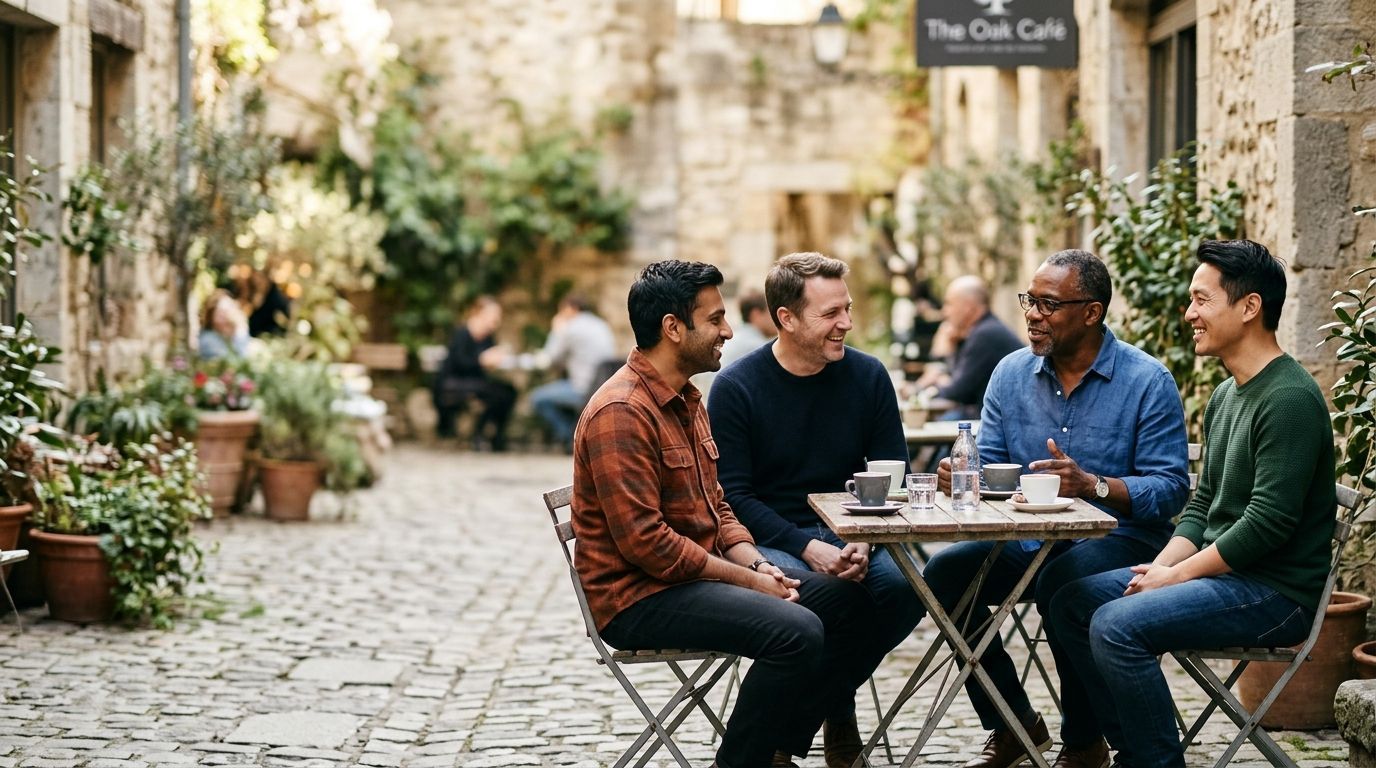
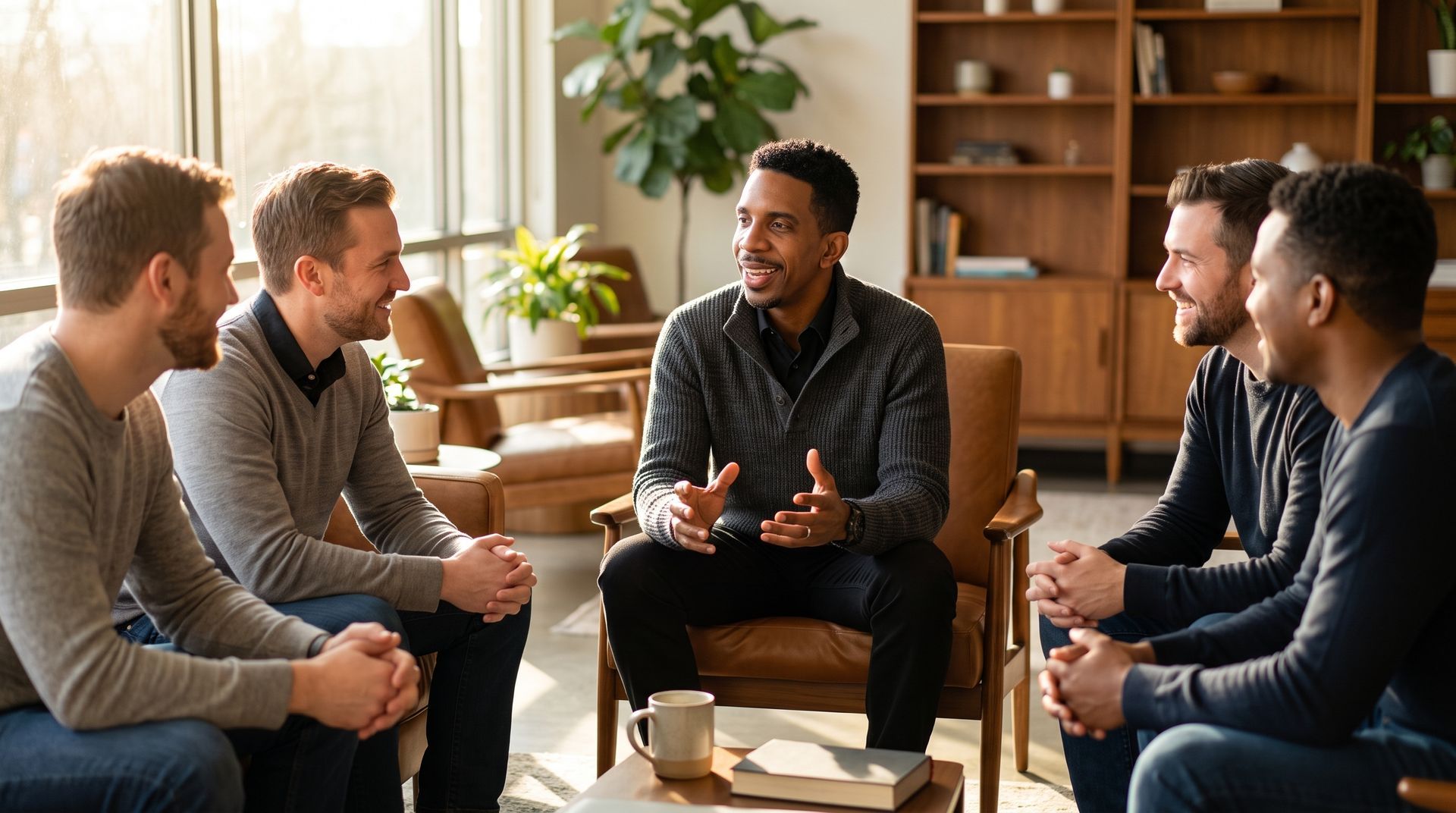
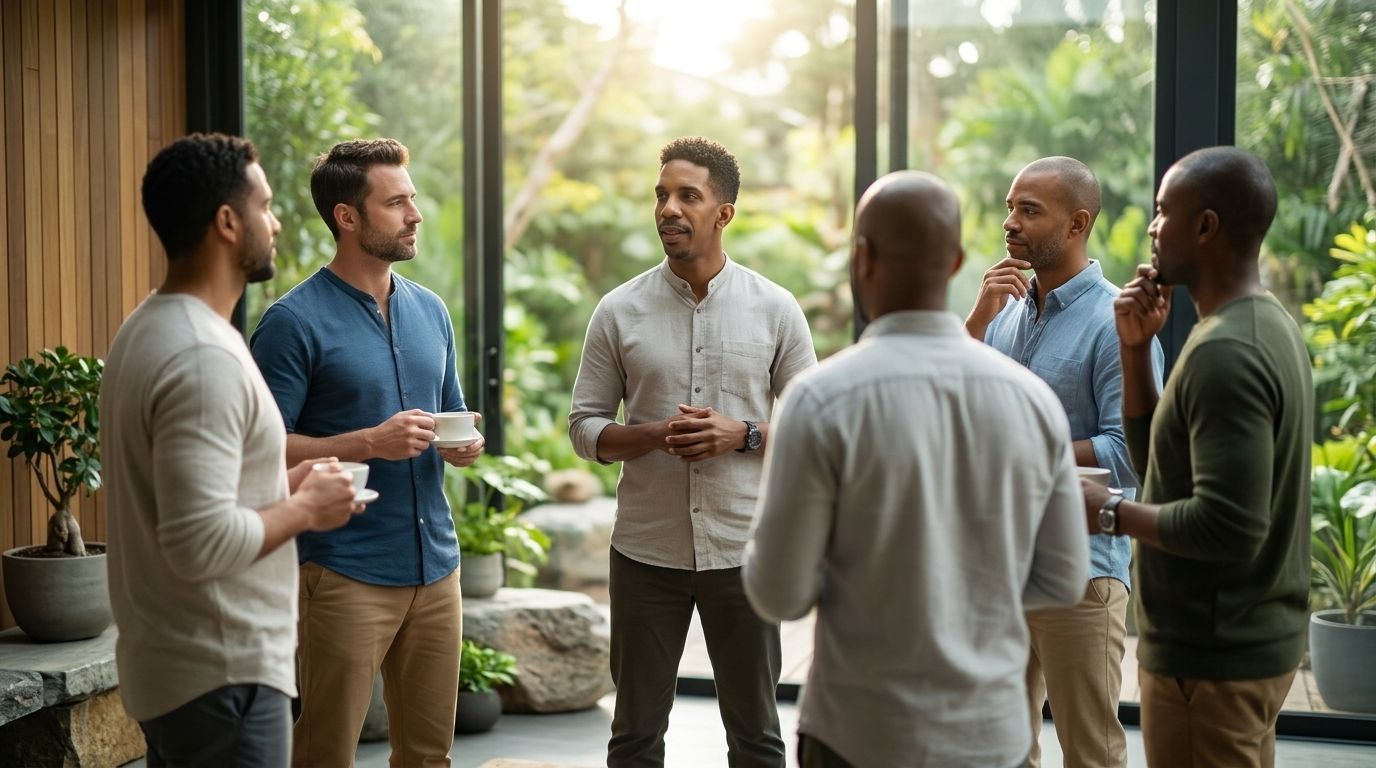
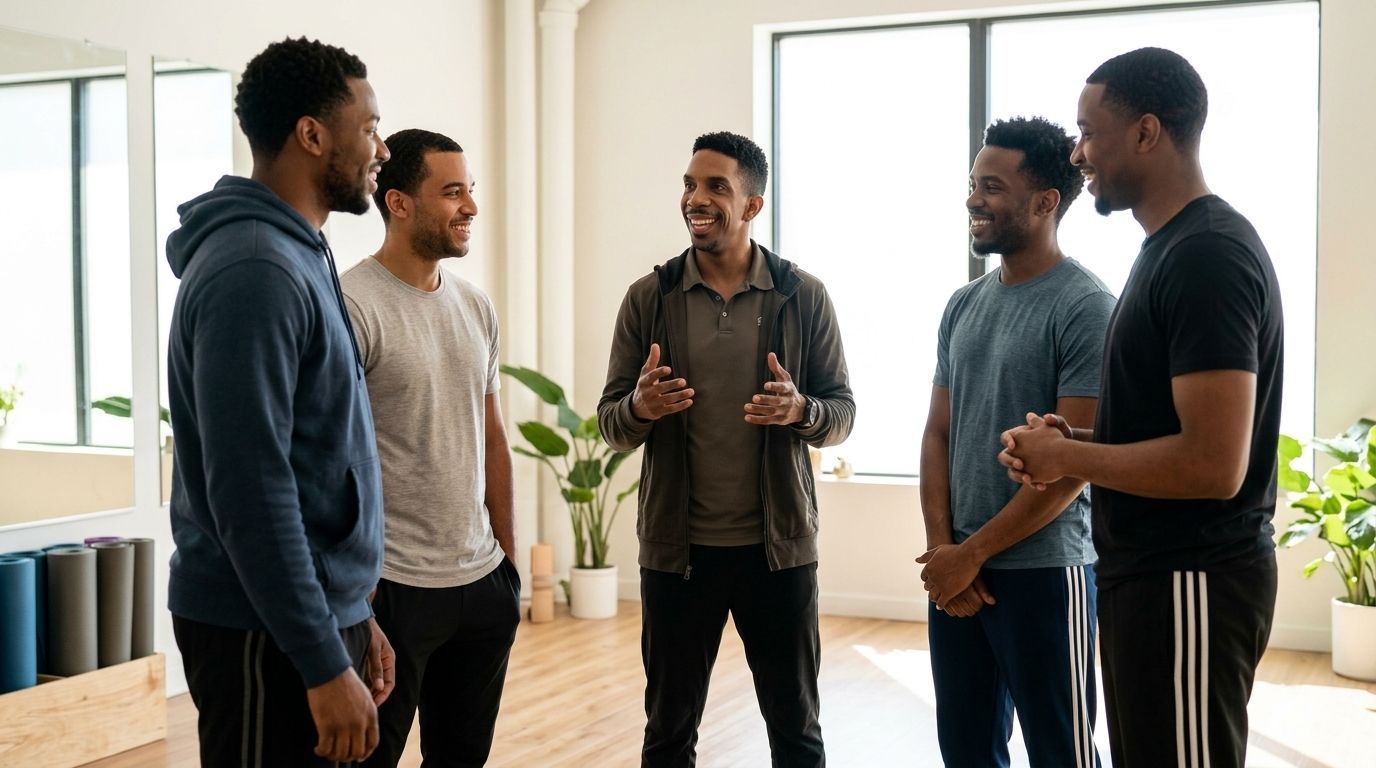
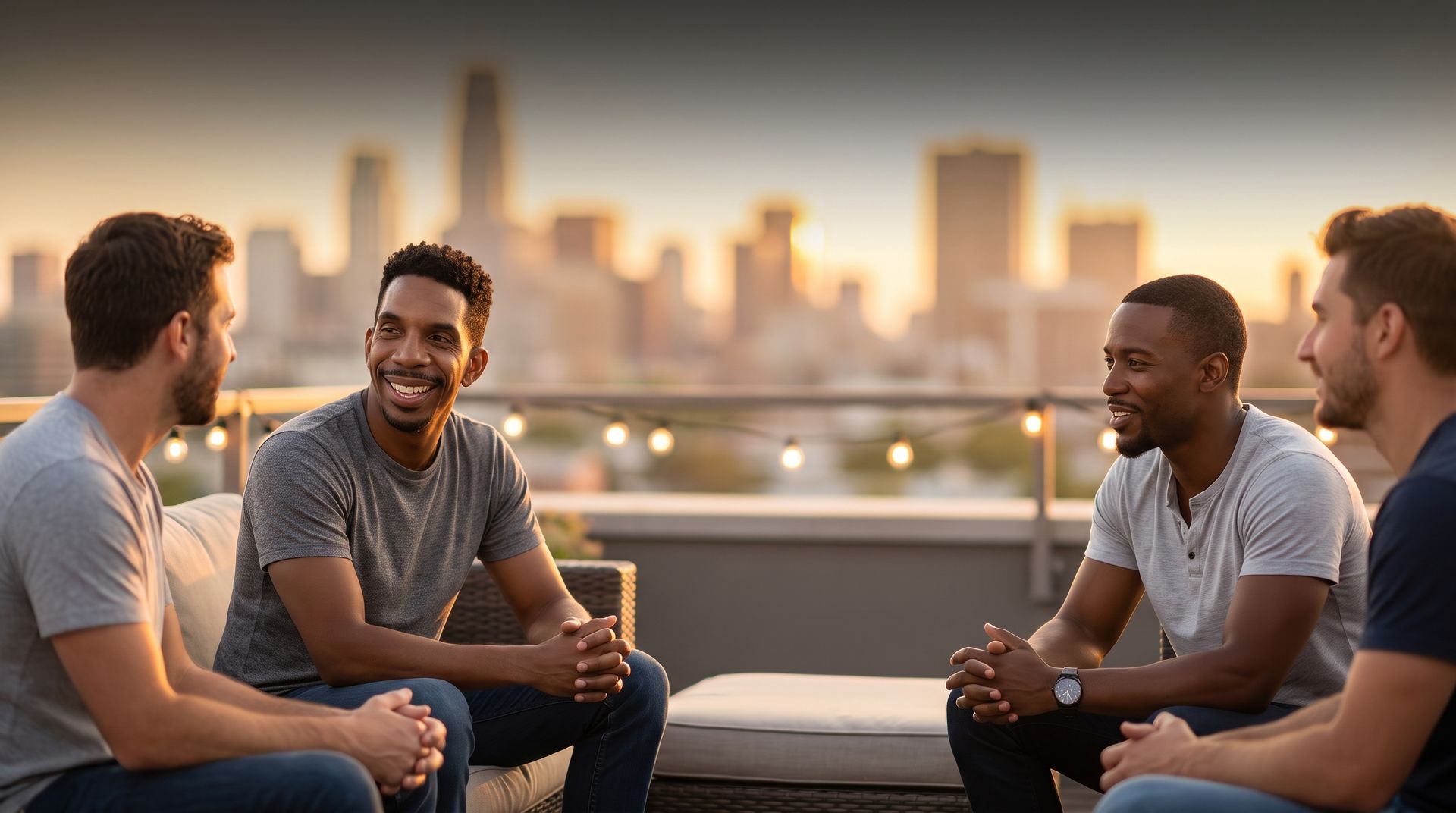
Men also need emotional intimacy outside romantic relationships. Healthy male friendships can provide honesty, encouragement, affection, accountability, and support without romance or sexuality.
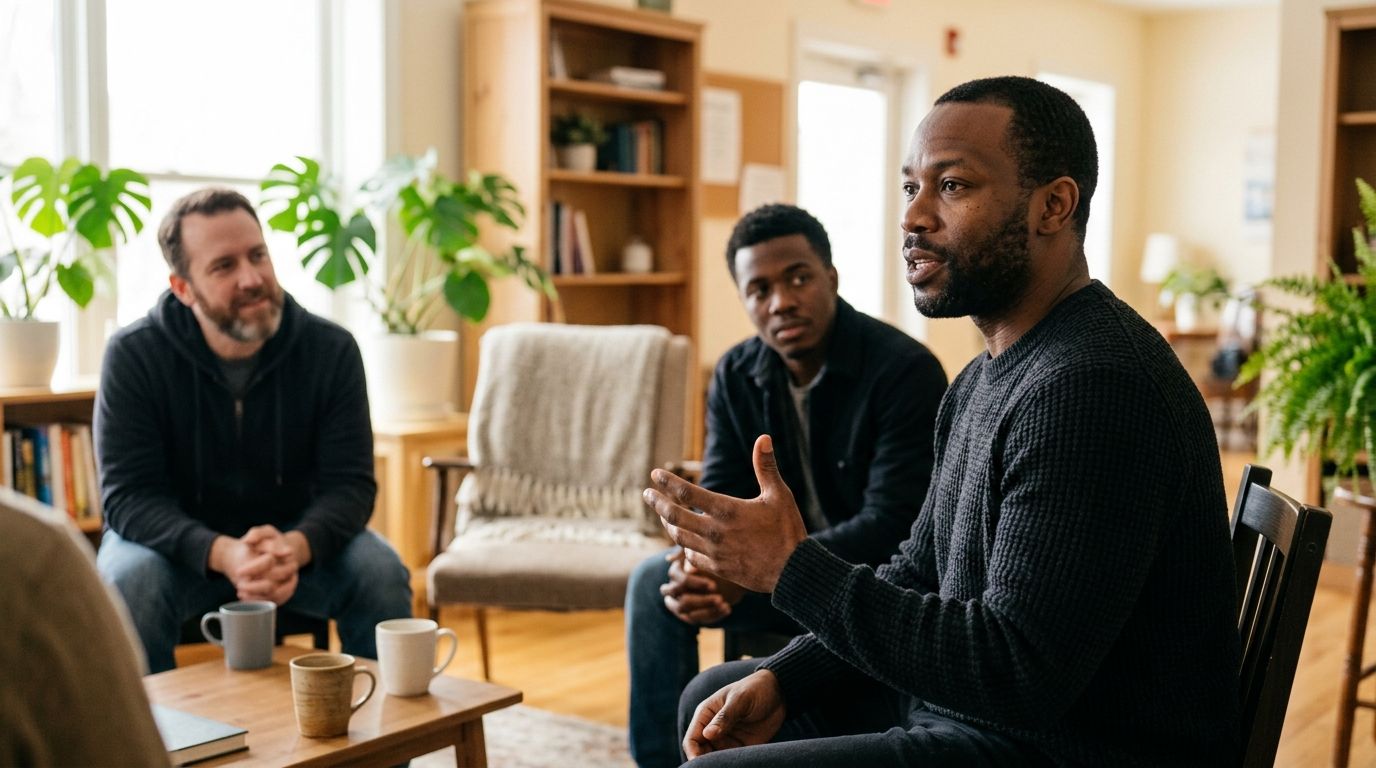
Brotherhood becomes transformative when men can discuss fear, grief, money, health, relationships, sexuality, identity, fatherhood, aging, and purpose without believing those conversations make them less masculine.
BOUNDARIES & SOLUTIONS
Healthy vulnerability is not emotional exposure without limits. Everyone does not deserve unrestricted access to you. Vulnerability should be paired with discernment.
Pay attention to consistency. Does this person respect boundaries? Can they apologize? Do they listen without weaponizing your honesty later? Can disagreements be repaired? Do actions align with words?
A healthy relationship should create more room for authenticity—not require you to abandon yourself to keep someone else.
BECOMING WHOLE PRINCIPLE 4: LOVE
Love is not losing yourself inside another person. Healthy love creates enough space for two whole people to remain themselves while building something meaningful together.
The question becomes not only
“Who will love me?” but
“How am I learning to love, receive love, communicate, establish boundaries, and remain whole within relationships?”.
REFLECTION
- What am I afraid someone might discover if I allow myself to become emotionally vulnerable?
- Do my closest relationships provide the safety, reciprocity, and trust required for healthy intimacy?
Explore Becoming Whole Relationship Coaching, men’s groups, support resources, and workshops designed to strengthen vulnerability, communication, trust, and healthy connection.