Belonging for Men: Brotherhood, Identity & Chosen Family
Part 2 of the Becoming Whole Series
Written by
WiL Turner
Men’s Health, Wellness & Identity Coach |
Living Well With WiL
Estimated Read Time: 5 Minutes
“The greatest privilege of a human life is to become who you truly are.” — Plato
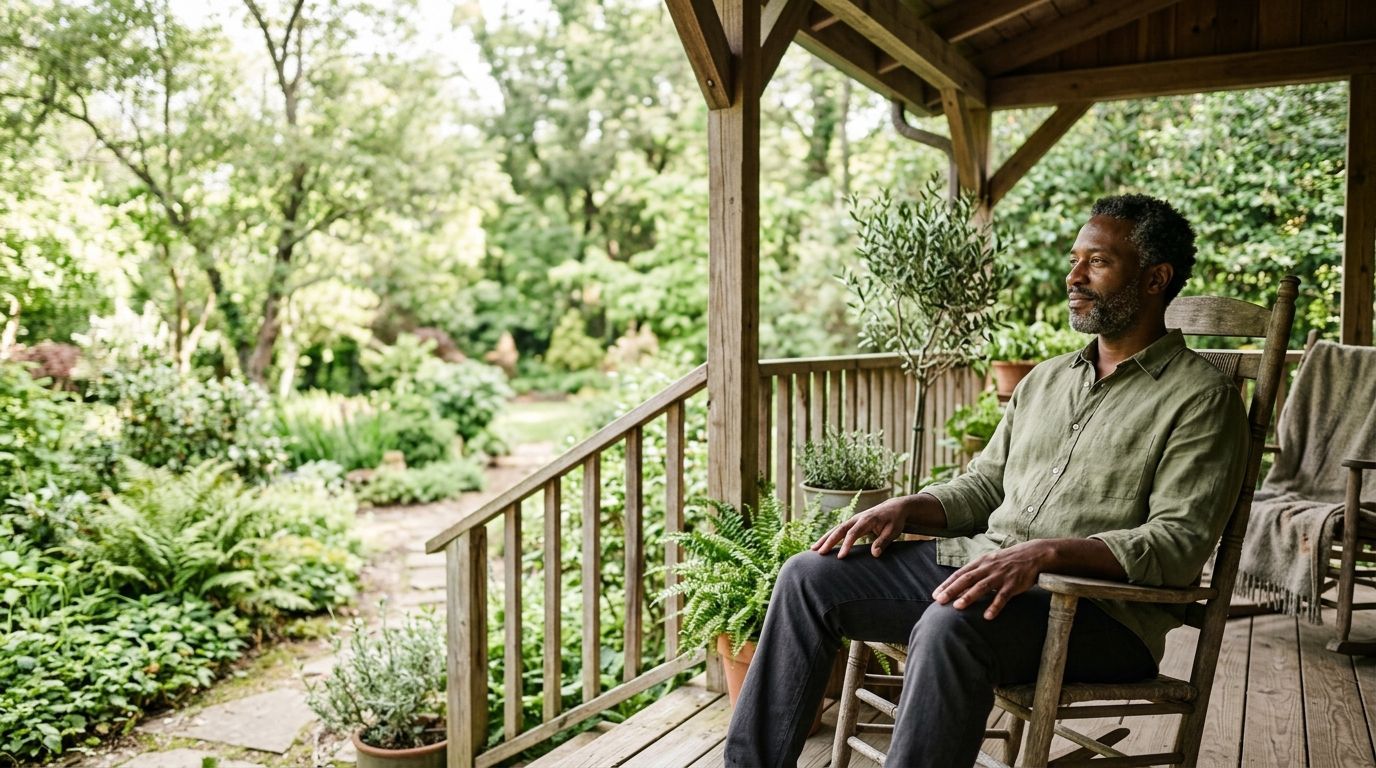
Belonging is one of the deepest — and most denied — needs men carry. This second installment of the Becoming Whole series explores why brotherhood feels so out of reach for so many men, and how to rebuild it on your own terms.
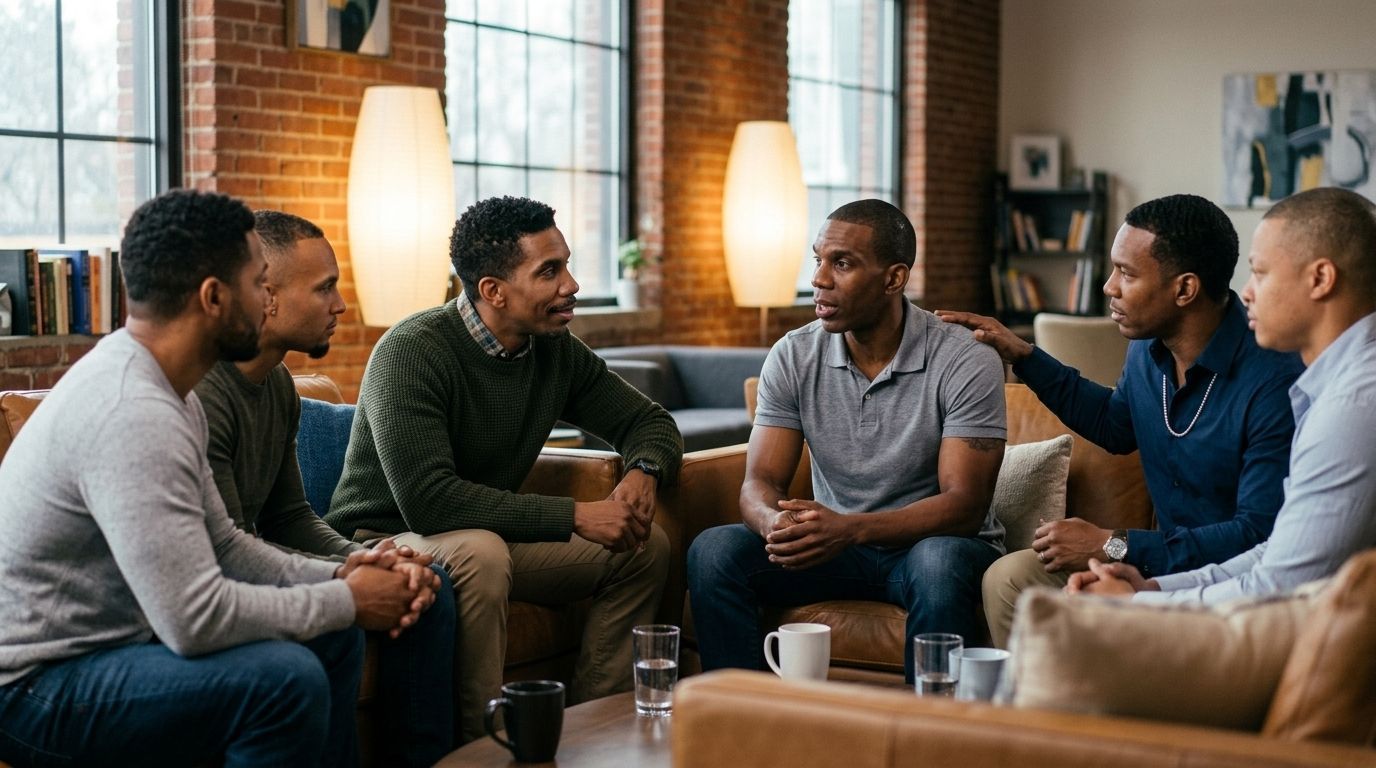
What Is Belonging? (Principle Defined)
In Maslow’s hierarchy, belonging represents our need for connection, intimacy, and acceptance. But belonging isn’t about fitting in — it’s about being fully seen and embraced without conditions.
For many men, belonging feels elusive—especially for Black men navigating systemic exclusion, for gay men confronting rejection, or for any man raised to believe that love must be earned through performance.
True belonging happens not when others finally accept you, but when you stop abandoning yourself to gain their approval.
The Problem: Men Are Starving for Brotherhood but Conditioned to Compete
Masculinity in our culture often confuses strength with solitude. We’re taught:
- “Don’t be soft.”
- “Never show weakness.”
- “Trust no one.”
This results in isolation, emotional armor, and brotherhood built on ego rather than empathy. Many men:
- Hide parts of themselves to feel included
- Fear vulnerability will make them less “manly”
- Confuse attention or validation with authentic acceptance
Without belonging, we disconnect from our truth, from others, and from our ability to love and be loved fully.
The Solution: Building Belonging Through Truth & Tribe
General Practices for Reclaiming Belonging
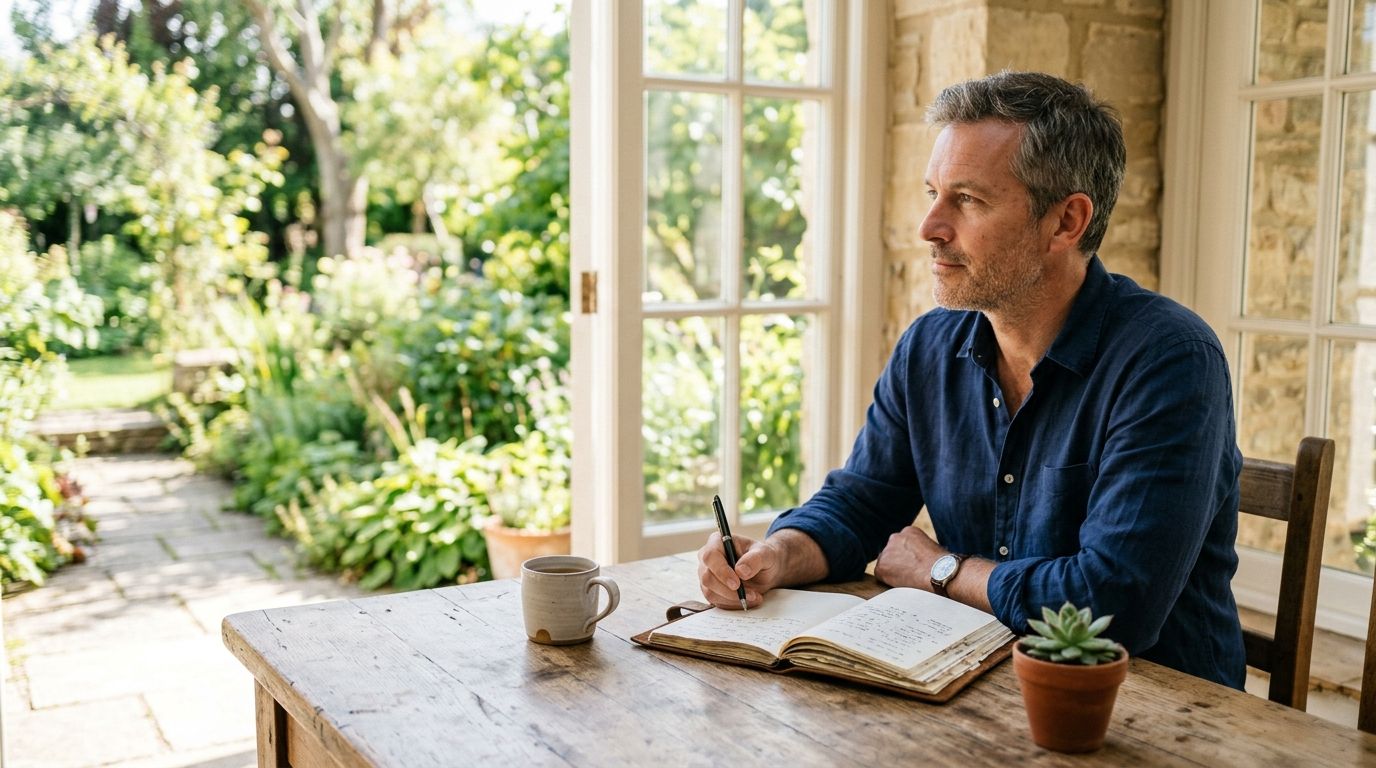
- Embrace Identity Without Apology — Journal, speak, and dress in ways that reflect who you are, not who you were told to be. Authenticity attracts alignment.
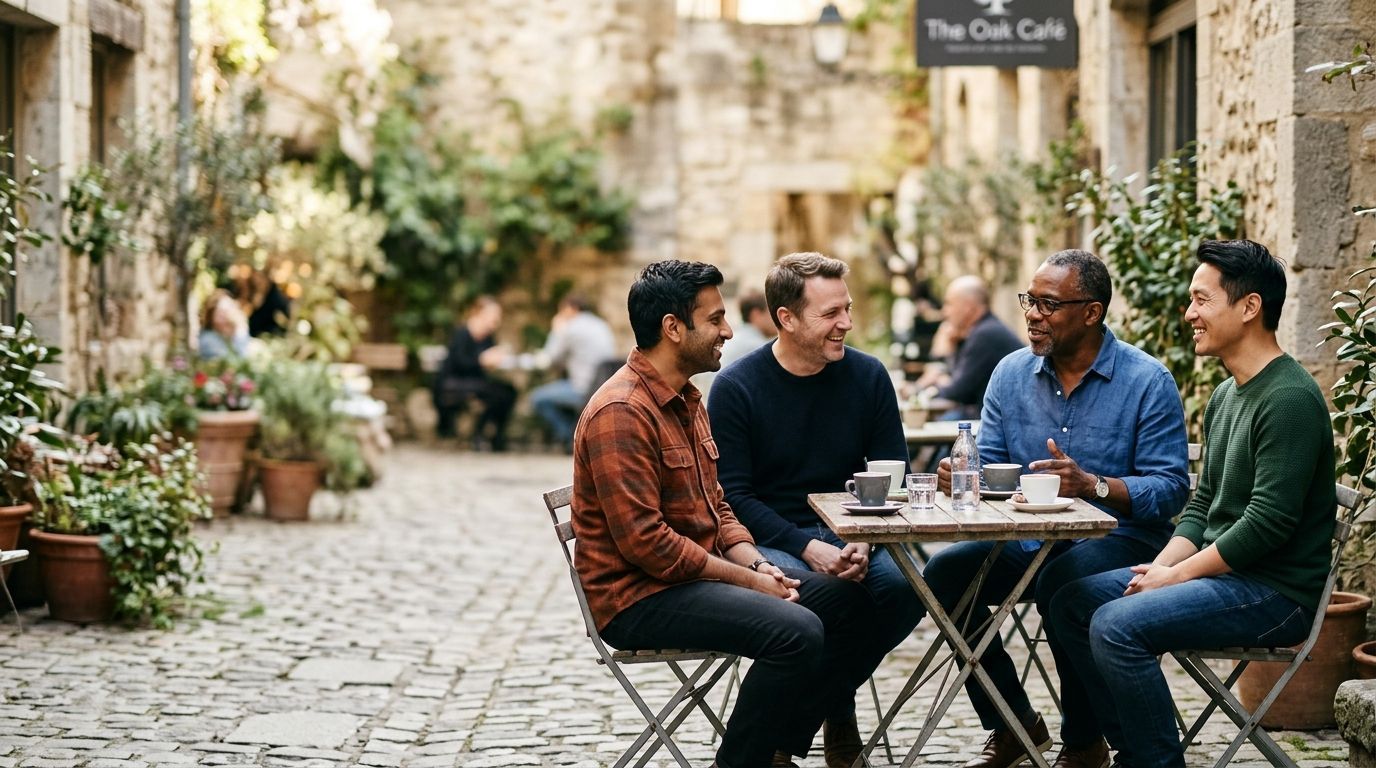
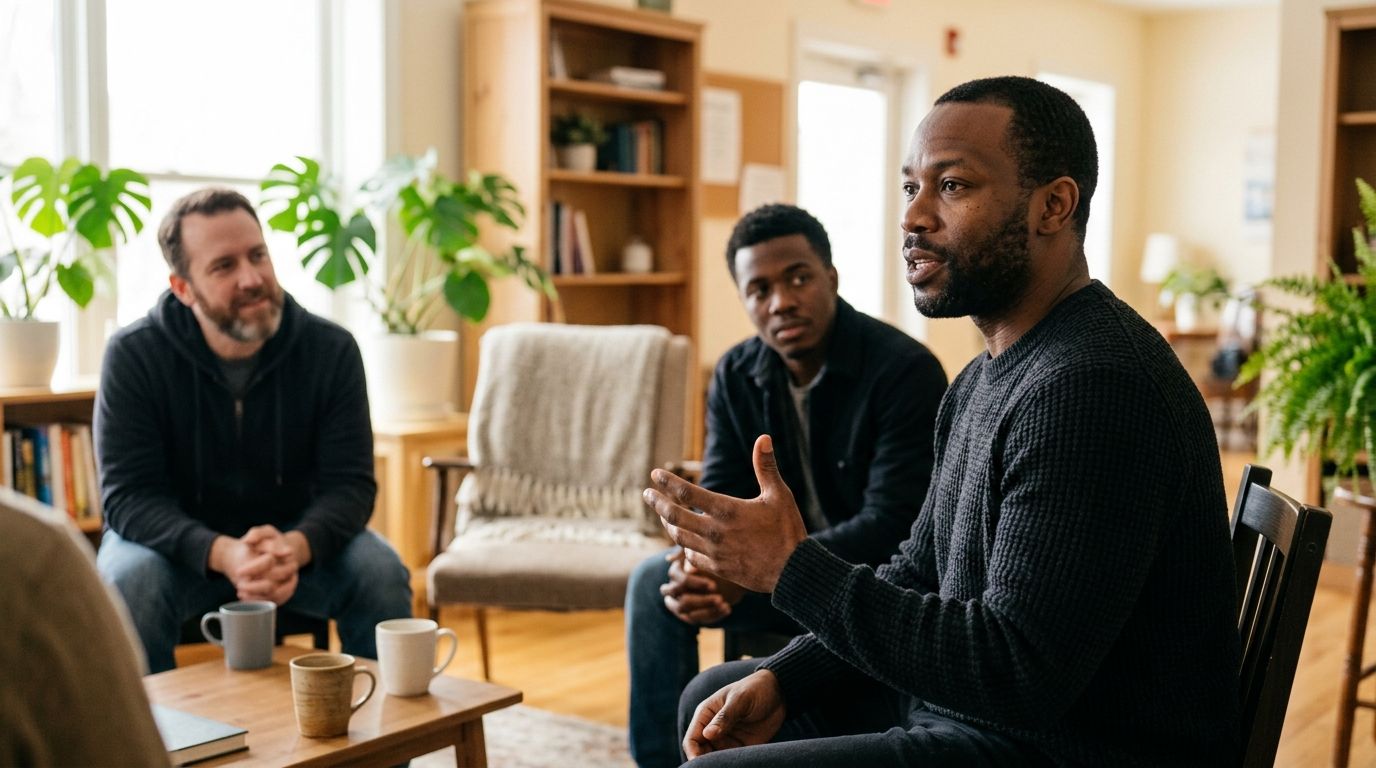
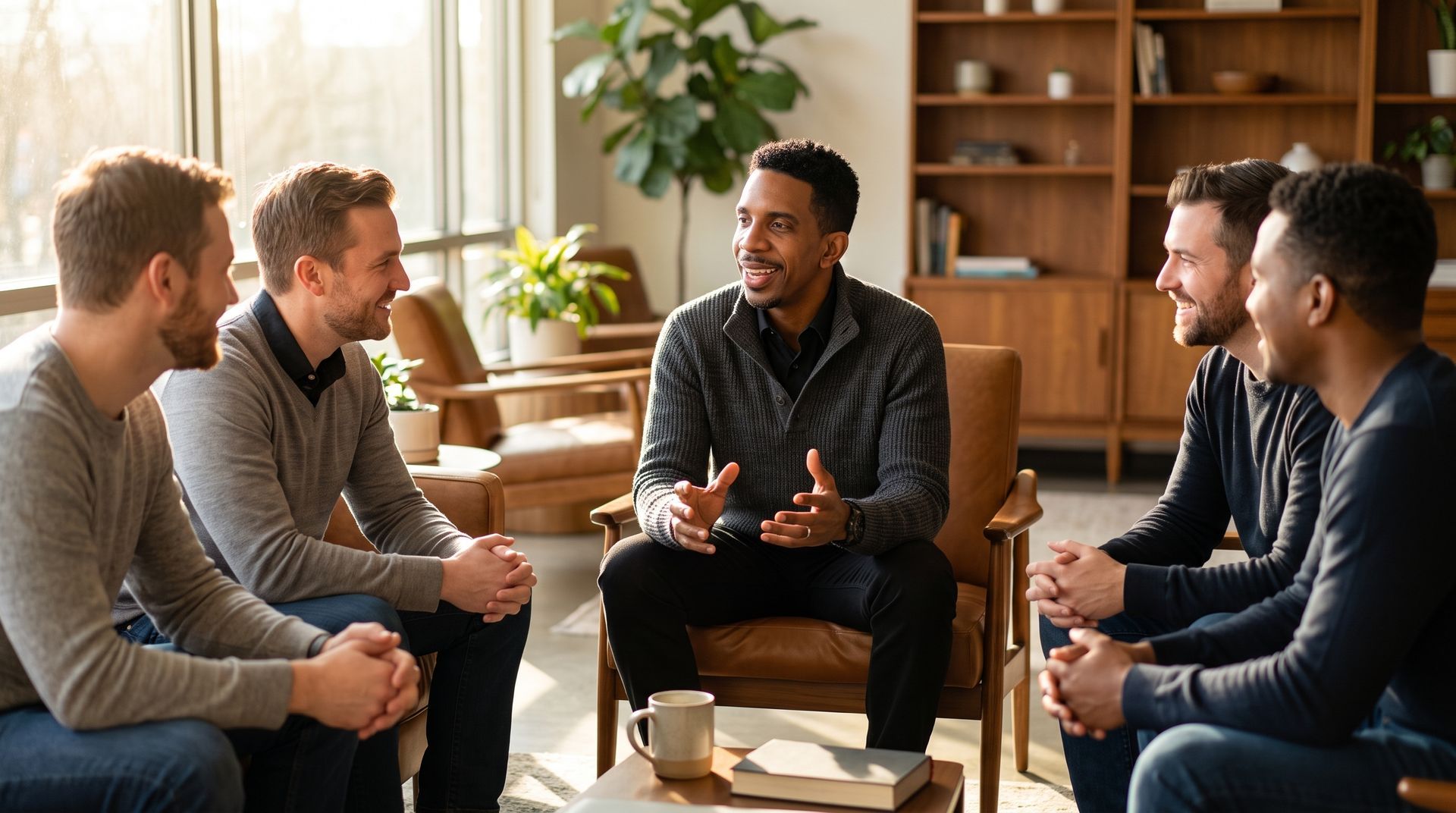
- Find or Form a Brotherhood — Seek spaces that honor emotional expression — men’s groups, healing circles, or coaching communities. Replace competition with collaboration.
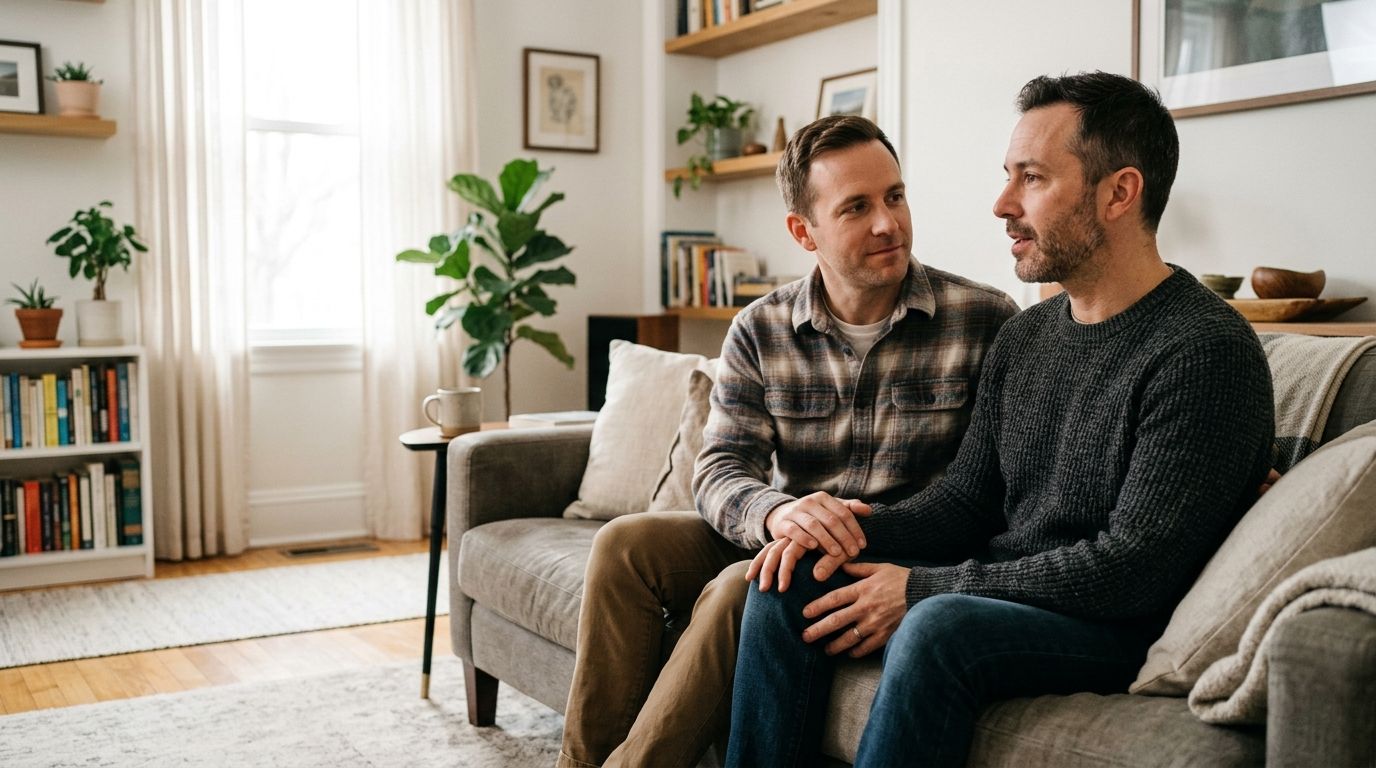
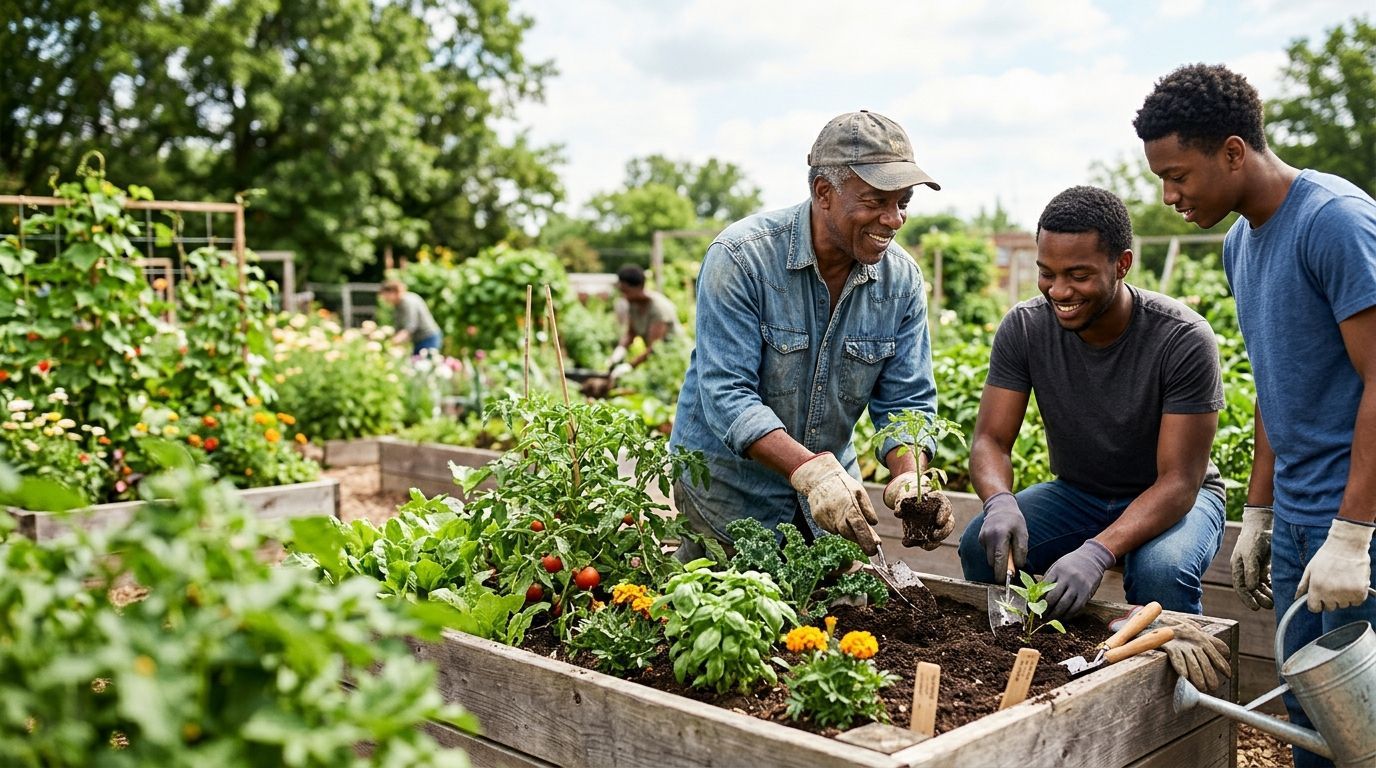
- Redefine Family — Chosen family can heal what bloodlines fractured. Identify and nourish relationships rooted in mutual love, respect, and growth.
- Lead with Vulnerability — Start with small truths: “I’ve been holding this in…” or “Can I be honest with you?” Vulnerability builds intimacy and trust.
Becoming Whole Workbook Practices
- “Belonging Timeline” Reflection — Map key moments of exclusion in your life. What did you learn about worth and identity in those moments? Then reframe the belief.
- “Circle of Belonging” Worksheet — Visualize your current relationships: Who sees and celebrates you? Who do you perform for? Who drains or dishonors your truth?
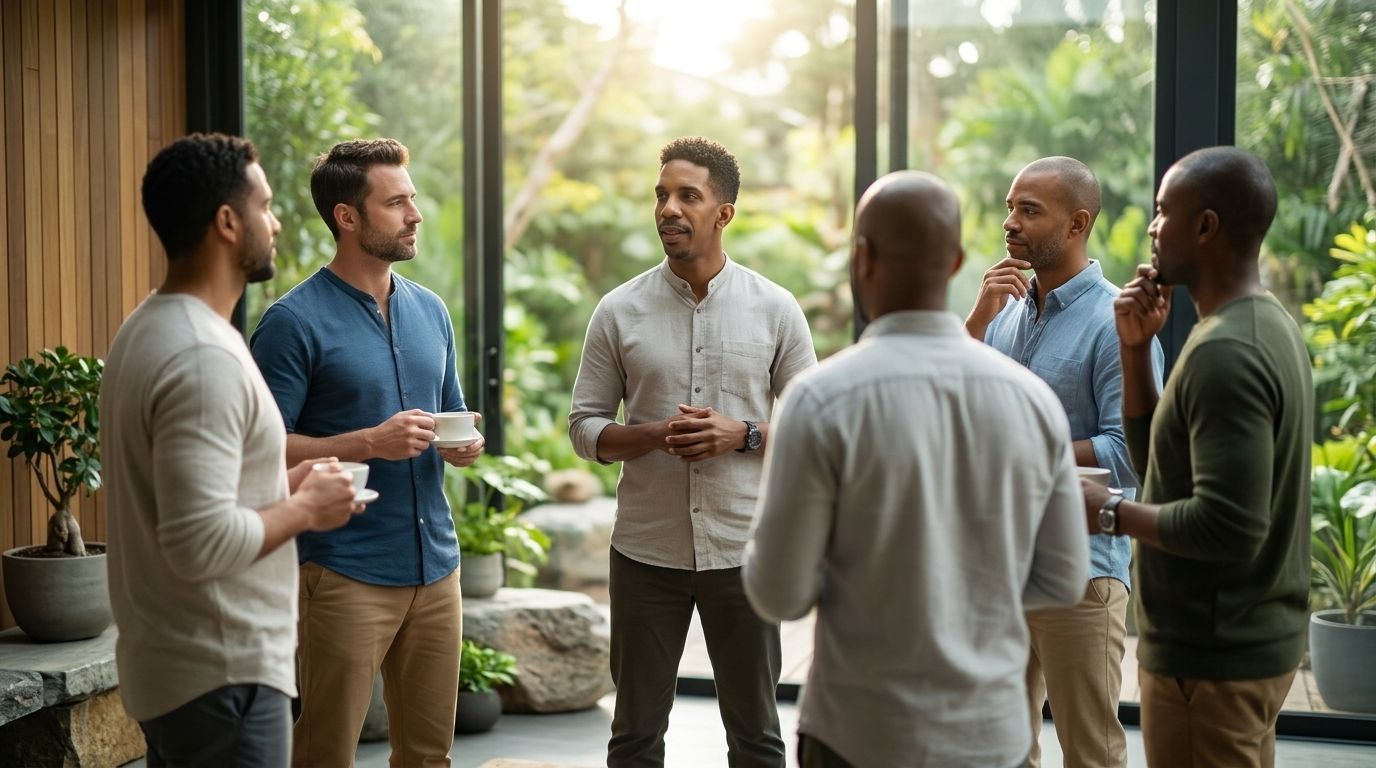
- “Brotherhood Builder” Assignment — Reach out to one man you trust. Invite an intentional conversation. Ask, “How are you — really?” Rebuild connection from presence.
- Identity Affirmations — Speak this aloud daily: “I belong. I am worthy of love without pretending. My truth is sacred. My identity is enough.”
Reflect + Reclaim
Workbook Prompt:
“Where in my life have I silenced myself to be accepted — and what would it feel like to belong as I truly am?”
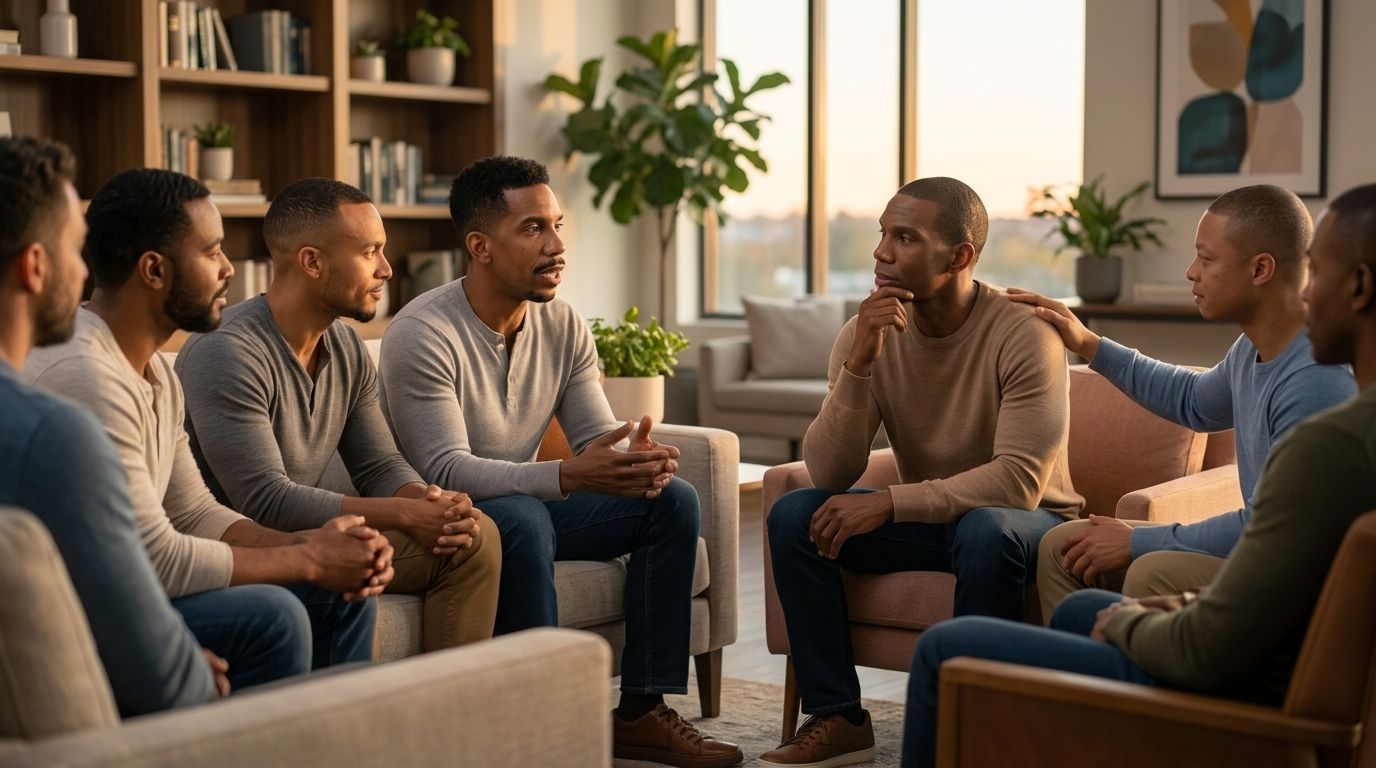
Frequently Asked Questions About Male Belonging & Brotherhood
Why do men struggle to form deep friendships?
Cultural messaging teaches men to associate closeness with weakness. This messaging, combined with limited models of emotionally expressive male friendship, leads many men to default to surface-level, activity-based bonds instead of vulnerable, trust-based ones.
What is “chosen family” and why does it matter for men’s healing?
Chosen family refers to the relationships — friends, mentors, community — that provide the acceptance and support biological family may not. For men who experienced rejection or conditional love growing up, chosen family can be a powerful source of belonging and healing.
How do I start building brotherhood as an adult man?
Start small: reach out to one trusted man and ask a real question, like “How are you, really?” Consistency matters more than intensity — regular, low-stakes connection builds the trust that deeper brotherhood is built on.